Mastering Gratitude: The Power of Editable Thank You Card Canva Templates
In the fast-paced world of entrepreneurship and design, the follow-up is often where the real magic happens. Whether you are a small business owner shipping handmade goods, a photographer delivering a final gallery, or a marketer closing a deal, the way you say "thank you" defines the lasting impression you leave. However, creating these touchpoints from scratch can be a bottleneck in your workflow. This is precisely where the utility of high-quality Thank You Card Canva Templates becomes undeniable. These are not just static images; they are dynamic design assets that bridge the gap between professional branding and personal touch.
A Kaleidoscope of Customization
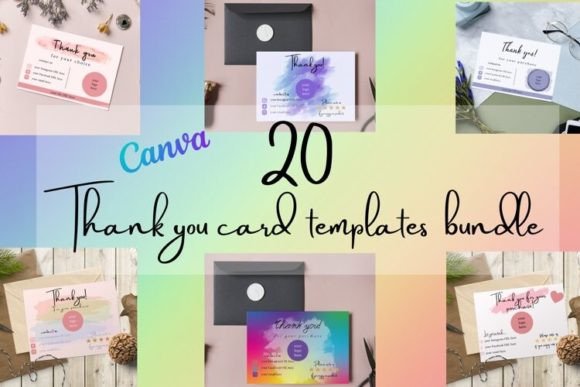
When you first immerse yourself in a library of premium templates, the visual appeal is immediate. We are talking about a tantalizing kaleidoscope of colours and fonts, curated by professional designers to ensure they resonate with current modern typography trends. You will find designs ranging from minimalist layouts using clean sans serif font pairings to elaborate, artistic compositions featuring expressive script font styles. The personality of these templates is inherently versatile—they can whisper elegance or shout celebration depending on your specific needs.
The true strength, however, lies in the architecture of the file itself. These templates are fledged with the remarkable feature of being 100% customizable. You are not buying a rigid image; you are acquiring a flexible framework. If a particular shape obstructs your vision, you can stretch or reshape it. If the text hierarchy feels too imposing, you can tweak the sizes and spacing. Every element is designed to dance to the string of your imagination. This level of control allows you to integrate your existing brand identity seamlessly. There is a dedicated spot for your logo, ensuring that every card you send reinforces your visual presence in the market.
Practical Applications for Modern Creators
Understanding where these templates fit into your ecosystem is key to maximizing their value. For the graphic designer, these files serve as a starting point for client work, saving hours of layout time while allowing for specific font pairing experiments. For the content creator or blogger, they are perfect for "unboxing" experiences or loyalty rewards, adding a layer of professionalism to physical products.
Consider the packaging design workflow. A generic, store-bought card feels disconnected from your product. By using an editable template, you can match the hex codes of your brand colours and select a typeface that mirrors your website or social media graphics. This consistency builds trust. In the realm of editorial design, these templates can even be adapted for inserts in magazines or lookbooks, serving as a personal letter from the editor or creator.
Typography and Brand Perception
The choice of font within your thank you card does more than convey words; it conveys emotion. A handwritten font style suggests warmth, intimacy, and a personal connection—ideal for crafters and hobbyists. Conversely, a structured serif font or a bold display font communicates authority and tradition, which might suit a law firm or a high-end boutique.
When you edit these templates, you have the opportunity to influence readability and visual hierarchy directly. You can test how a modern typography approach—perhaps using a sans serif font for the body copy and a script font for the signature—guides the reader's eye. This is a practical exercise in design theory application. You are not just picking letters; you are curating an experience. A well-designed card elevates the perceived value of the transaction, turning a simple "thank you" into a brand-building moment.
The Technical Workflow: Accessibility and Formats
One of the most significant advantages of this approach is accessibility. You do not need a high-end desktop publishing suite to get started. A free Canva account, accessible via any browser or mobile app, is all that is required. This democratization of design means that a solopreneur in a coffee shop can edit a file just as easily as a professional in a studio.
Once your design is finalized, the delivery is instant. Since this is a digital product, no physical item is shipped to you until you print it yourself. This immediacy allows for last-minute adjustments—perhaps you want to add a specific picture or delete a decorative element to suit a particular client. When you are ready, the download options are robust. You can save your work as a PDF for high-quality home printing, a JPG for email attachments, or a PNG for transparent overlays in other design software.
Choosing the Right Template for Your Project
With an array of options available, selecting the right template requires a strategic eye. Here is a practical guide to evaluating your fit:
- Evaluate the "Vibe": Does the template's default style match your industry? A playful, colourful template works for a toy store but might feel out of place for a luxury jeweller.
- Check the Layout Flexibility: Ensure there is enough "negative space" (white space) to accommodate your logo without the design feeling cluttered.
- Review Font Styles: Look at the included styles. Does it offer a bold weight for headers and a light weight for body text? Good typographic contrast is essential for readability.
- Commercial Licensing: If you plan to use these cards for client work, ensure the license allows for commercial use.
Remember, the goal is to find a design asset that reduces your workload while increasing your output quality. Whether you are creating a single card for a wedding or a batch of 500 for an e-commerce store, the ability to reshape, tweak, and personalize ensures that your gratitude is always expressed in your unique voice.