Elevate Your Crafts: The Art of Canva Frames Junk Journal Labels
In the world of modern design, texture often speaks louder than words. Whether you are a small business owner looking to add a tactile feel to your packaging or a content creator seeking to ground your digital aesthetic, the allure of vintage paper is undeniable. This is where the versatility of Canva Frames Junk Journal Labels comes into play. These assets bridge the gap between digital convenience and the charm of handmade ephemera, offering a practical solution for anyone needing high-quality, editable design elements without the steep learning curve of complex software.
The Visual Character: Vintage Soul, Modern Flexibility
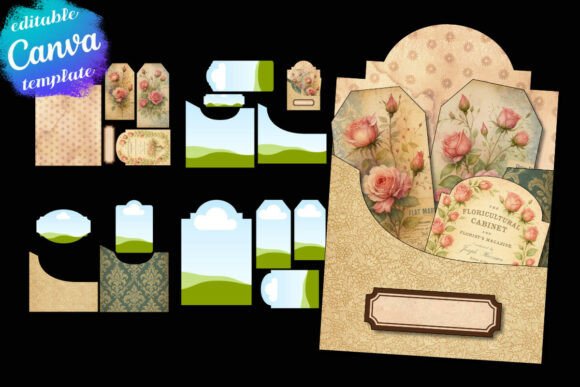
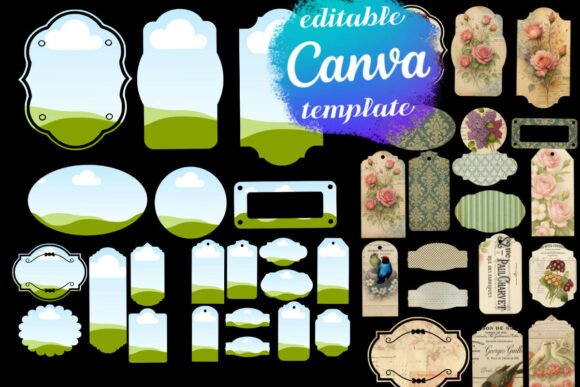
At their core, these templates are an exercise in nostalgic design. The visual language relies heavily on the aesthetic of the "junk journal" movement—a style characterized by layered textures, distressed edges, and ornate, Victorian-inspired flourishes. The shapes included in this set range from classic scrollwork borders to simple, weathered rectangles and circles. The "personality" of these frames is warm, historical, and authentic. They feel like discovered artifacts rather than sterile computer-generated graphics.
What makes these specific Canva Frames Junk Journal Labels particularly useful is their construction within the Canva ecosystem. They are not static images; they are editable templates. This means you can manipulate the colors, resize the vectors, and overlay your own typography. This blend of vintage-style graphics with modern typography tools allows for a unique design flexibility. You can take a frame that looks like it belongs in the 1800s and pair it with a clean, sans serif font to create a striking contrast that feels both timeless and contemporary.
Practical Applications for Entrepreneurs and Creatives
The utility of a good design asset is measured by its adaptability. For the entrepreneur or marketer, these frames serve as powerful tools for brand identity. In a market saturated with slick, minimalist designs, incorporating vintage elements can humanize a brand. Imagine using these frames for product hang tags on handmade soaps or artisanal goods. The ornate borders lend an air of craftsmanship and care that generic shipping labels simply cannot convey. It signals to the customer that the product inside is special.
For the publisher or blogger, these templates are invaluable for editorial design and social media graphics. You can use a distressed label frame to highlight a pull quote in a blog post or create a cohesive series of Instagram stories that feature "secret tips" hidden behind vintage paper overlays. Because the set includes a high-resolution print-ready layout, you can confidently use these designs for physical printable tags and flyers, ensuring that your digital branding translates perfectly to physical marketing materials.
Beyond Scrapbooking: Commercial and Digital Uses
While the name suggests a focus on junk journals and scrapbooking kits, the applications extend far beyond hobbyist crafts. Consider the digital planner market. Digital planners thrive on aesthetic organization. Using these frames as decorative stickers or section dividers can help users categorize their weeks in a way that feels organic and calming, rather than rigid and clinical.
Furthermore, these assets are excellent for packaging design prototypes. If you are a designer pitching a rebrand to a client in the food or beverage industry, using vintage frames can evoke feelings of tradition and quality. The key is using these elements to support your visual hierarchy. A well-placed frame draws the eye to the most important information—be it a price tag, a date, or a call to action—without overwhelming the rest of the layout.
Design Guidance: Typography and Integration
When working with Canva Frames Junk Journal Labels, the choice of typeface is critical. Because the frames are visually busy, featuring intricate details and texture, you generally want to avoid pairing them with highly decorative script fonts or handwritten fonts for the body text. This can lead to visual clutter and hurt readability.
Instead, focus on contrast. If the frame is ornate, pair it with a sturdy serif font for a traditional look, or a geometric sans serif font for a modern twist. For example, a classic serif like Garamond placed inside a scrollwork frame looks authoritative and elegant. Conversely, a clean sans-serif like Montserrat inside the same frame creates a "vintage-modern" hybrid that is very popular in current web design and logo design trends. Always test your font pairing to ensure the text remains legible against the texture of the frame.
Evaluating Fit and Workflow
Before committing to these templates for a large project, take a moment to evaluate the fit. The "junk journal" style is inherently messy and organic. If your brand identity is strictly ultra-minimalist, hyper-futuristic, or cold-corporate, these vintage frames might clash with your existing assets. However, if your brand values storytelling, warmth, authenticity, or DIY spirit, these are a perfect match.
The workflow in Canva is straightforward. Once you access the Canva template link, the elements are fully editable. You can ungroup the frames, change the colors to match your specific brand palette, and add your own text. This is a significant advantage over static PNG files, as it allows you to maintain consistency across different platforms. You can create a set of printable tags for a craft fair and then quickly adapt those same designs for your Etsy shop banner or Pinterest pins, ensuring your brand identity remains cohesive.
Final Thoughts on Utility
Ultimately, Canva Frames Junk Journal Labels are about adding personality to your projects. They are design assets that save time while elevating the perceived value of your work. Whether you are a hobbyist creating a memory book, a marketer designing a printable